
Notes, reports, press releases and everything happening on the ground.
Filter
Empowering Rohingya Youth Through Refugee-Led Leadership, Innovation, and Community Action
At RYU, we envision a future where every Rohingya young person has the opportunity to learn, lead, innovate, and thrive. By investing in education, peacebuilding, social entrepreneurship, community resilience, and youth leadership, we are working to build stronger communities and ensure that the next generation can contribute to a more just, inclusive, and hopeful future for all.
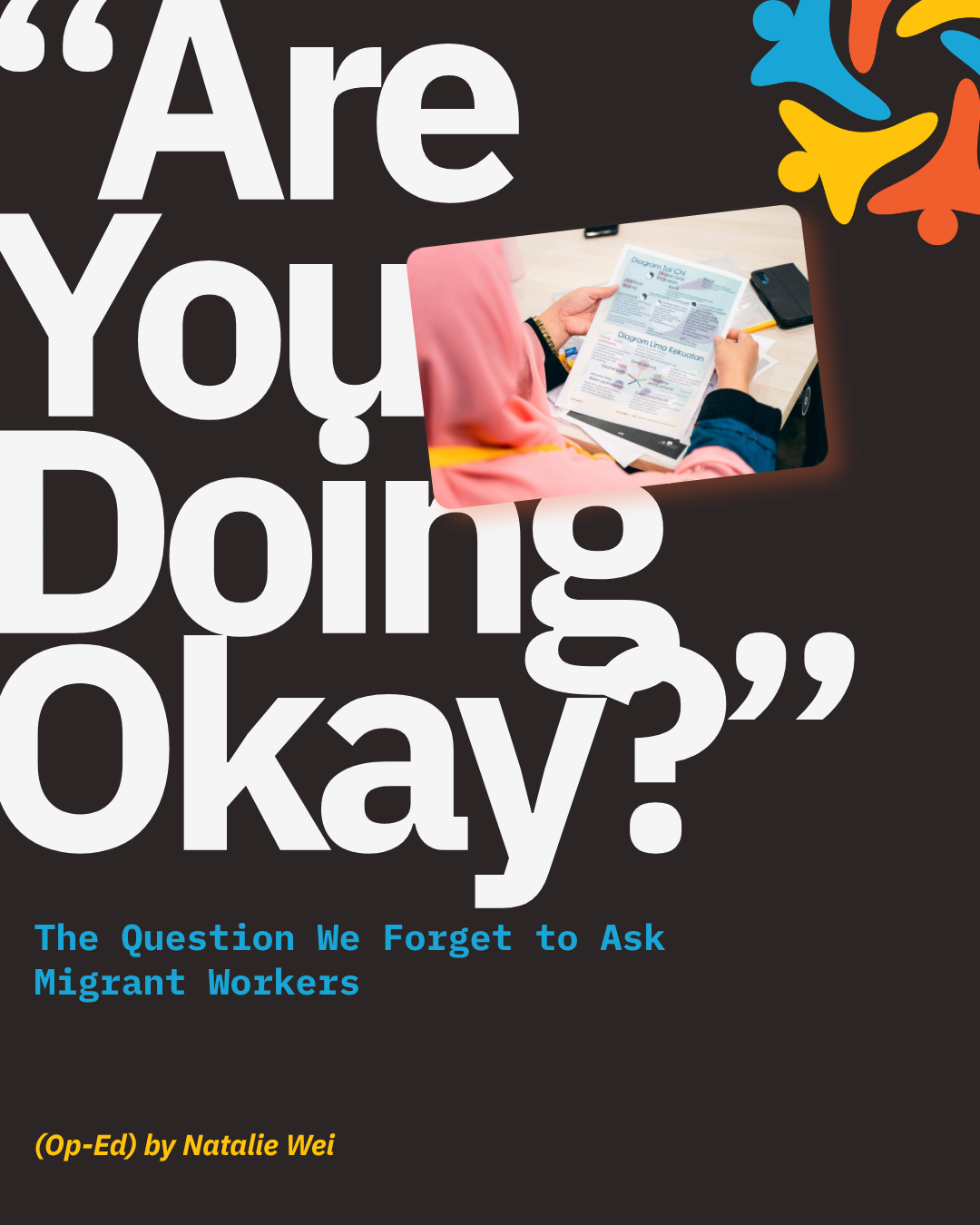
“Are You Doing Okay?” The Question We Forget to Ask Migrant Workers
“Are you doing okay?”
It seems like a simple question. But when I asked migrant caregivers in Taipei, I realized how rarely they were given the chance to answer it.
MYCP’s Salsalina Larasati, spoke in the World Health Organization (WHO) Webinar.
MYCP in Action: World Health Organization (WHO) Webinar. Global research prioritization and action plan on health, migration and displacement. July 22.
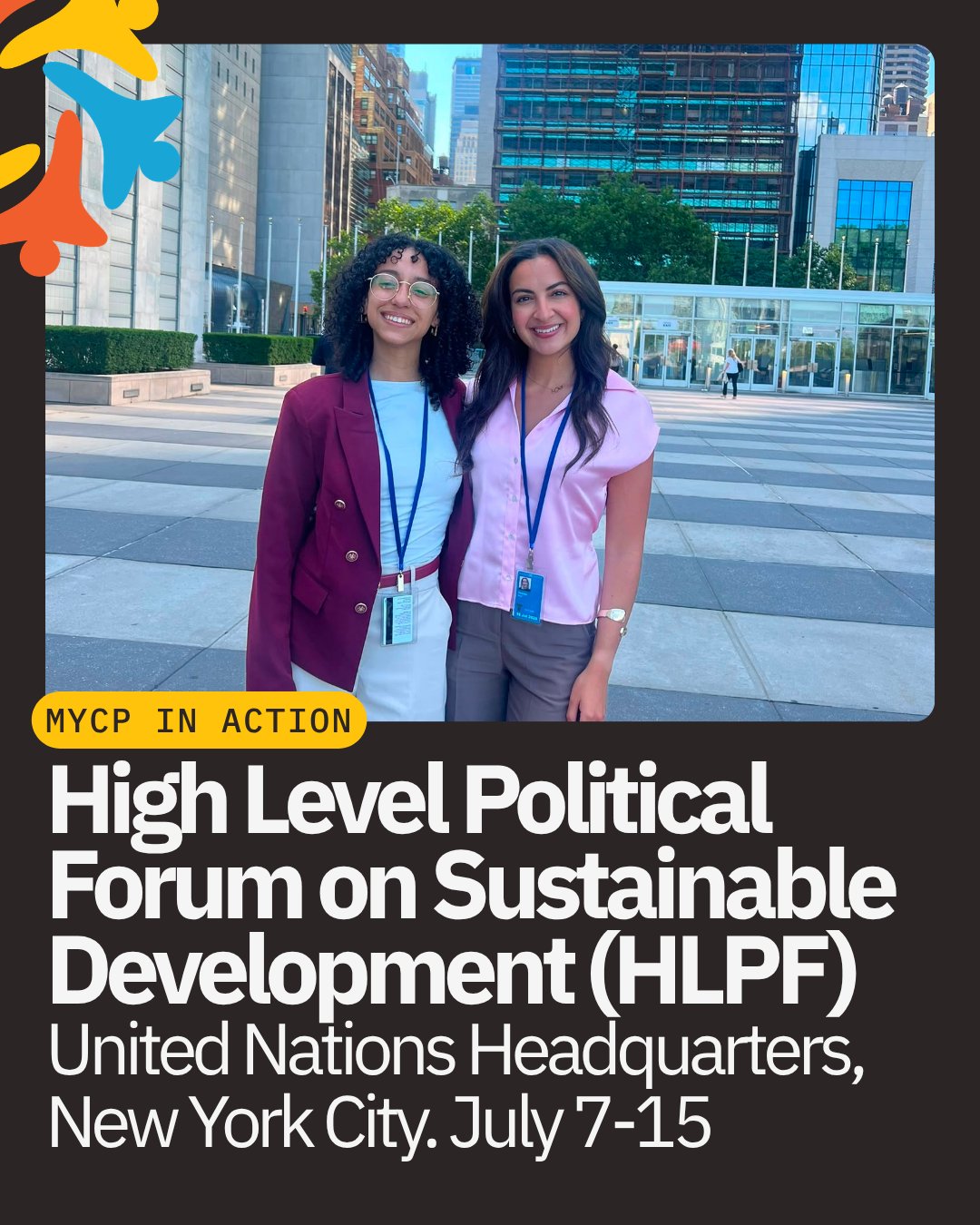
MYCP participated participated in the 2026 High-Level Political Forum on Sustainable Development (HLPF)
MYCP in Action: High Level Political Forum on Sustainable Development (HLPF) United Nations Headquarters, New York City. July 7-15
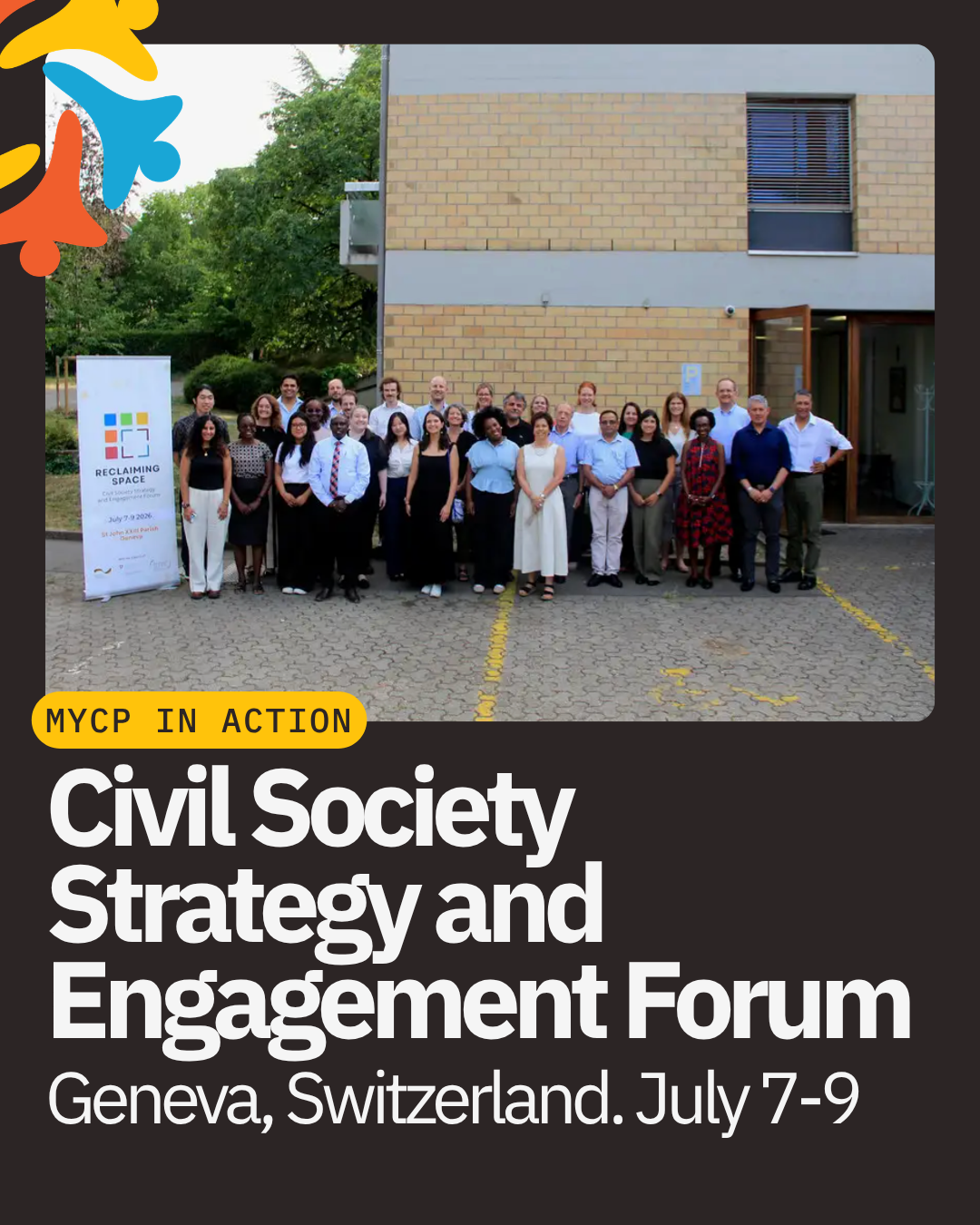
MYCP participated in the Civil Society Strategy and Engagement Forum
MYCP in Action: Civil Society Strategy and Engagement Forum Geneva, Switzerland. July 7-9.
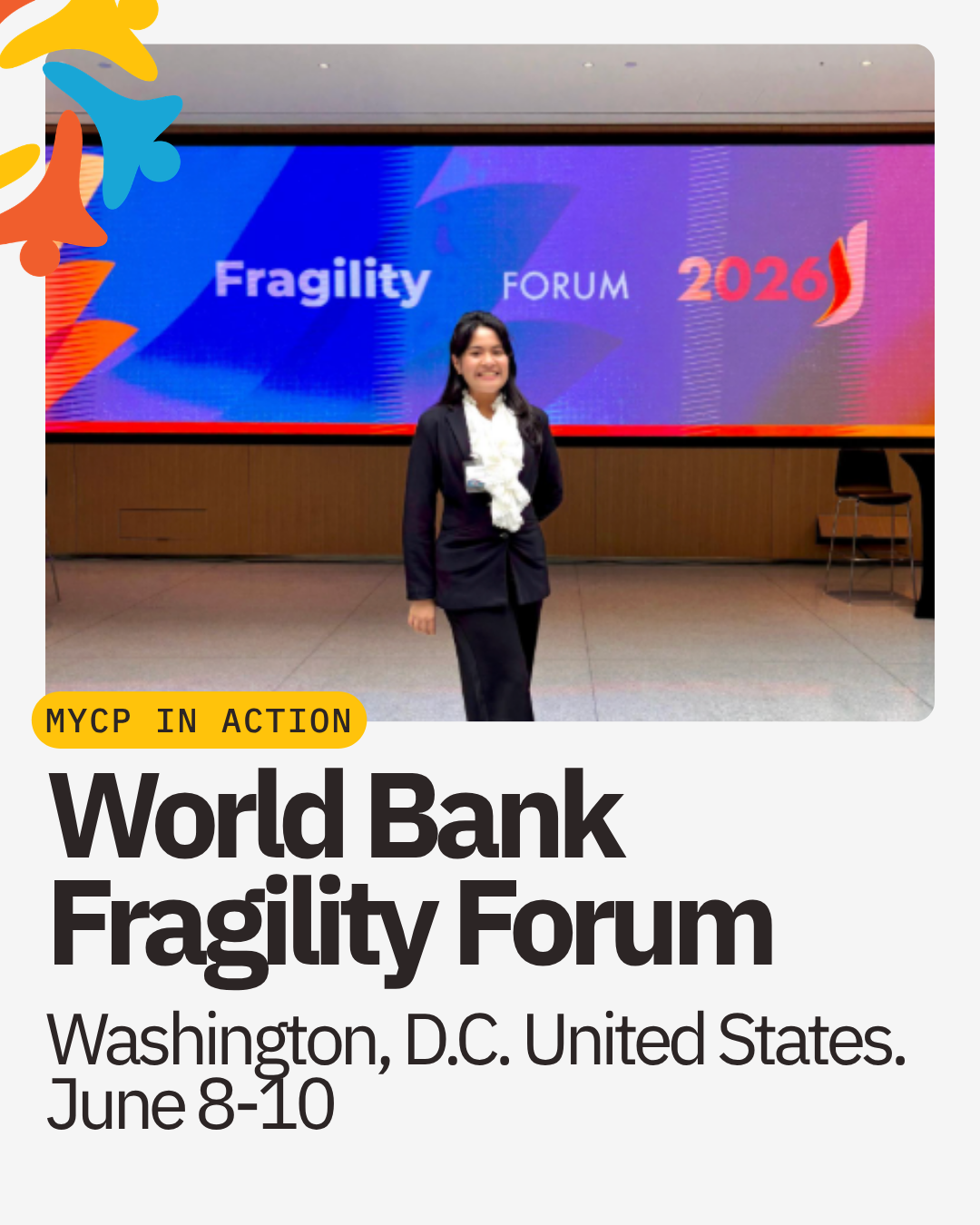
Salsalina Larasati, Deputy Director for MYCP’s Research and Innovation (formerly Climate Mobility Research lead shares her reflections from the World Bank Fragility Forum
MYCP in Action:World Bank Fragility Forum. Washington, D.C. United States. June 8-10.
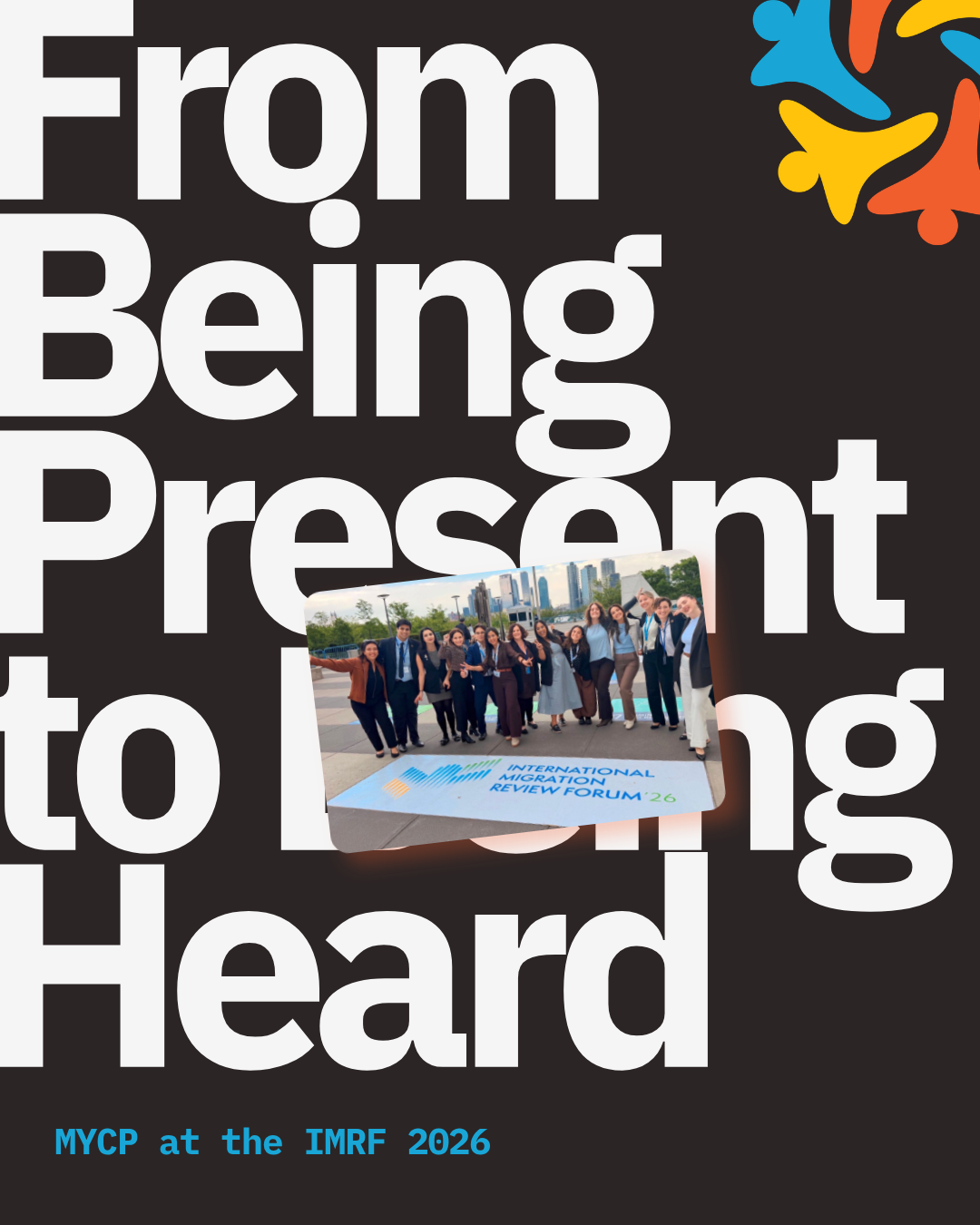
From Being Present to Being Heard: MYCP at the IMRF 2026
Because the question is not simply whether young people are invited to the table.
It is whether the table itself is changing.
Whether there is room for different ways of knowing.
Whether participation can become partnership.
And whether the decisions made in global rooms can ultimately be felt in the everyday lives of children and young people on the move.
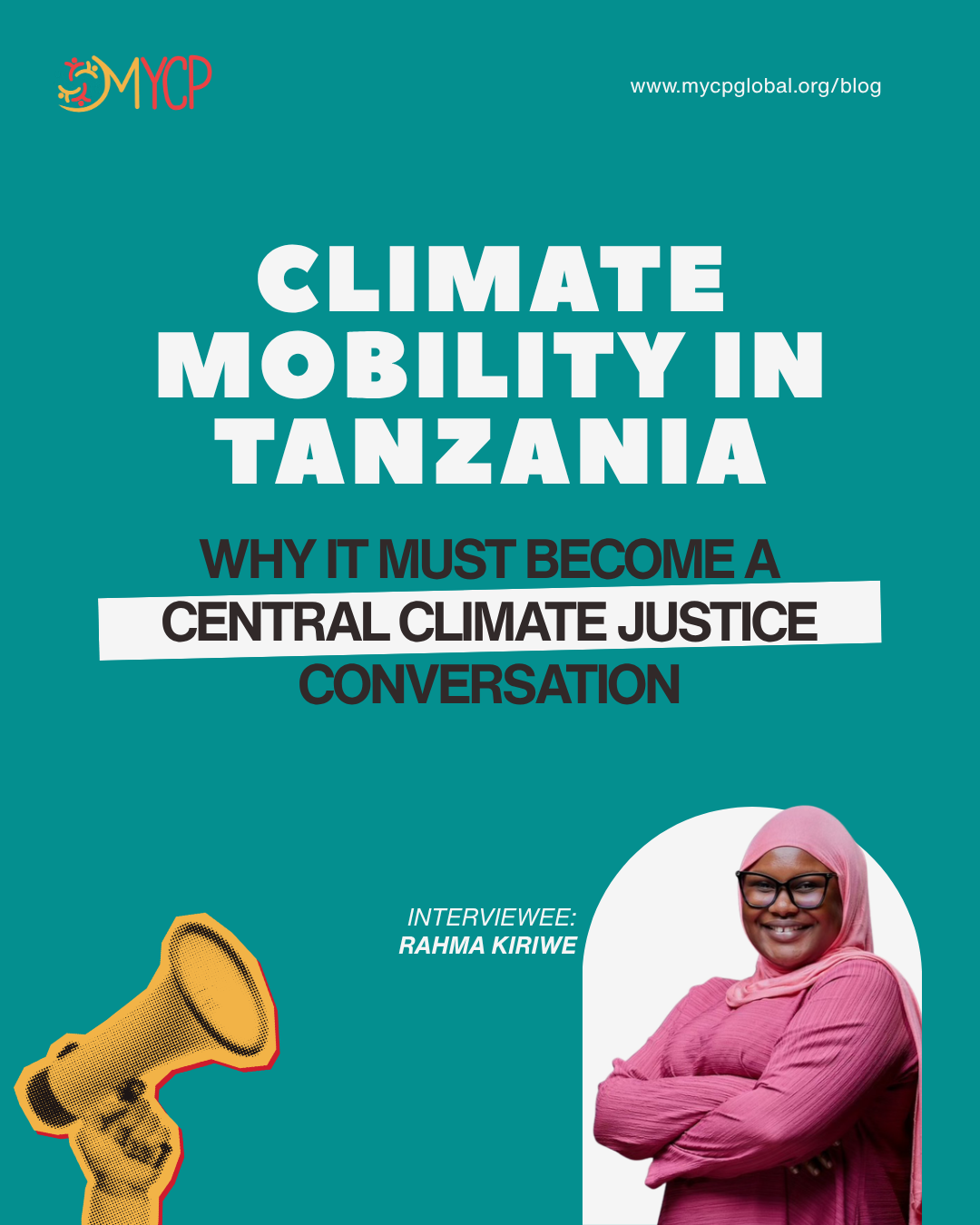
Climate Mobility in Tanzania: Why It Must Become a Central Climate Justice Conversation
“... one issue that rarely receives the same level of attention particularly from young people is climate mobility.”
Youth Perspectives on Climate Mobility and Justice Across the World Voices from Asia-Pacific: A Collaboration between the Pacific Island Students Fighting Climate Change (PISFCC) and MYCP
From Local to Glocal: A Community-based Approach to Influencing the International Community for Resilience in Climate Mobility
“... the people of the Global South, are seen as persevering, that is because it’s the only option they have. To persist through great loss, whilst executing all solutions at their disposal for a problem they did not create.”
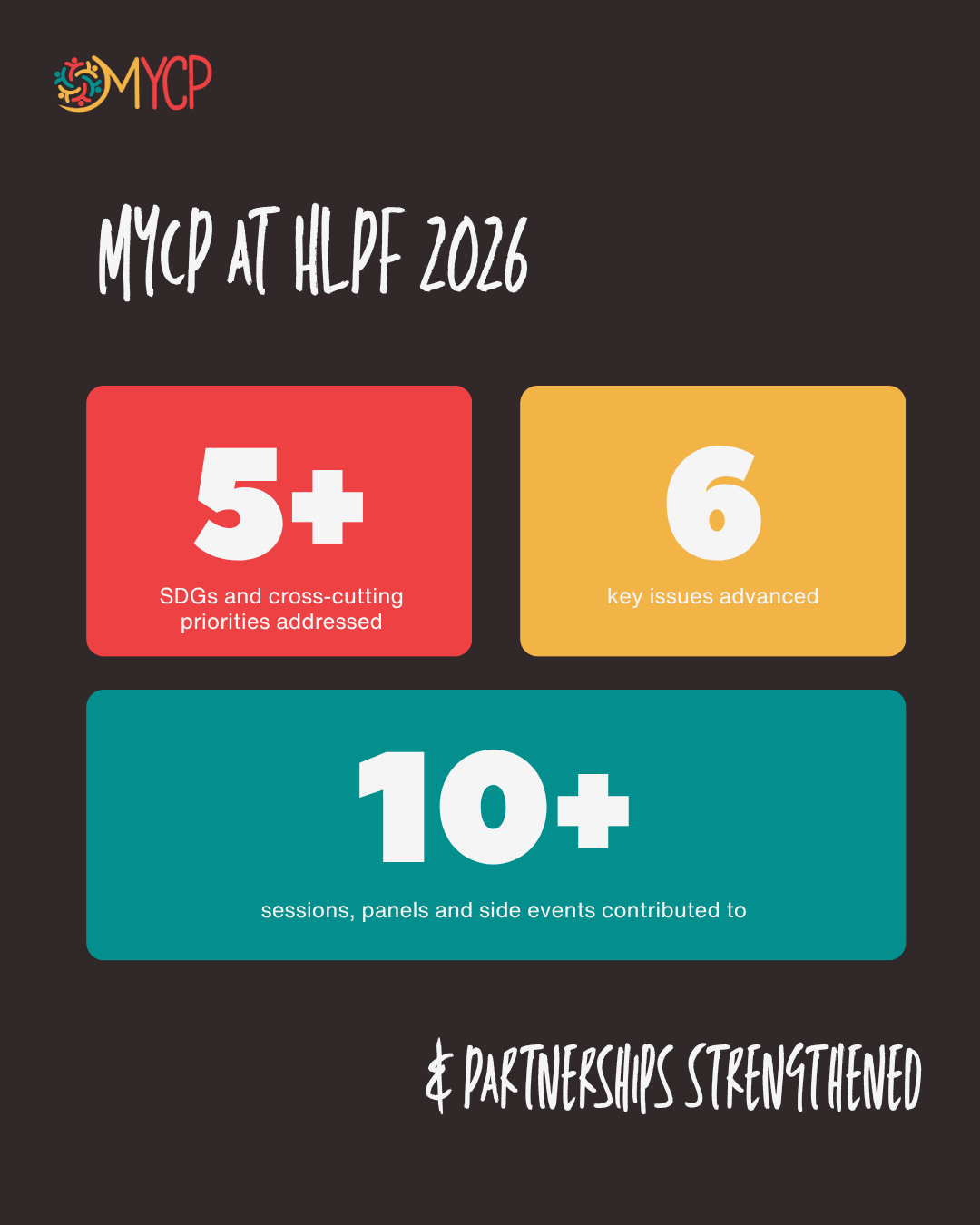
MYCP at the 2026 High-Level Political Forum on Sustainable Development Impact Report
MYCP's engagement at HLPF focused on ensuring that migration, youth participation and the lived experiences of young migrants and refugees were meaningfully reflected in discussions on sustainable development. MYCP used the Forum to advocate for inclusive and migrant-responsive approaches to SDG implementation, while strengthening partnerships and creating opportunities for youth-led policy engagement.
Safety. Education. Dignity. Belonging. A voice in our future. These are not just hopes. They are the rights every young migrant deserves.
This Youth Day, the Migration Youth and Children Platform reaffirms the importance of creating spaces where these diverse experiences can be heard, connected and transformed into meaningful youth participation across borders, communities, and contexts.
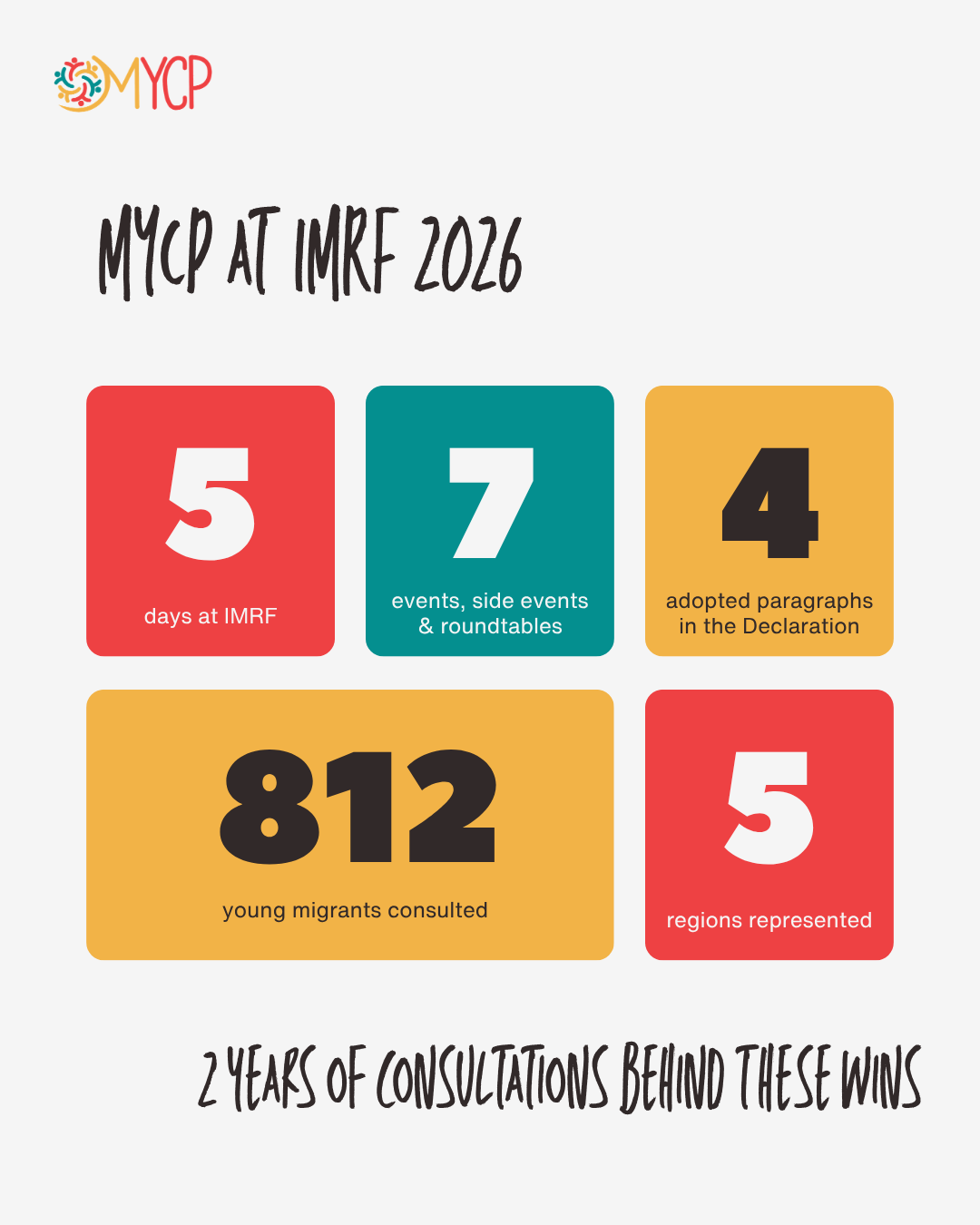
MYCP Secures Historic Commitments on Child Detention and Migrant Mental Health at IMRF 2026
Together with UNICEF, the Migration Youth and Children Platform directly introduces adopted language into the IMRF 2026 Progress Declaration; including the first-ever commitment on migrant mental health and the first actionable language on ending child immigration detention in the history of the International Migration Review Forum.
Youth Perspectives on Climate Mobility and Justice Across the World Voices from Asia-Pacific
Justice and Climate Mobility: Education From and To the Grassroots, the Indigenous, and the Underrepresented
“If there's any movement from any part of the organization in the world, please include us, especially if from developing countries, include our voices, especially grassroots, indigenous, and underrepresented family backgrounds. " — Kornelius Sembiring, IOM Youth Changemaker
Youth Perspectives on Climate Mobility and Justice Across the World
A global blog series to amplify youth voices on climate mobility. Through interviews with young advocates, this series highlights lived experiences, local realities, and visions for climate justice.
Inclusion Without Mobility? Rethinking Structural Barriers in Migration Governance
Repeated barriers generate exclusionary effects, demonstrating that structural obstacles often determine access regardless of merit.

Dual Minority Status: How International Law Fails Migrant Youth
As CSW70 convenes to discuss access to justice, we must address the ‘protection blind spot’ for migrant children, who are all too often treated as migrants first and children second.
“Gender Equality Without Justice Is Not Equality”
Every year, government representatives, non-governmental organizations (NGOs), civil society organizations, youth ambassadors and journalists from all regions of the world gather at the Commission on the Status of Women (CSW) for the annual two-week sessions, considered the principal global intergovernmental entity dedicated to gender equality. Youth delegates raise concerns about access to justice for women, especially in marginalized communities. States reaffirm commitments. They highlight progress under United Nations Sustainable Development (Goal 5). They adopt the agreed conclusions promising to eliminate gender-based violence.