MYCP’s Roberta Bojang, spoke in the World Health Summit Panel.
When MYCP consulted 812 young migrants across five regions, health came up again and again as a top priority. What young people described was rarely a lack of hospitals. It was fear of being reported, forms they could not understand, costs they could not cover, and services that were never designed with them in mind.
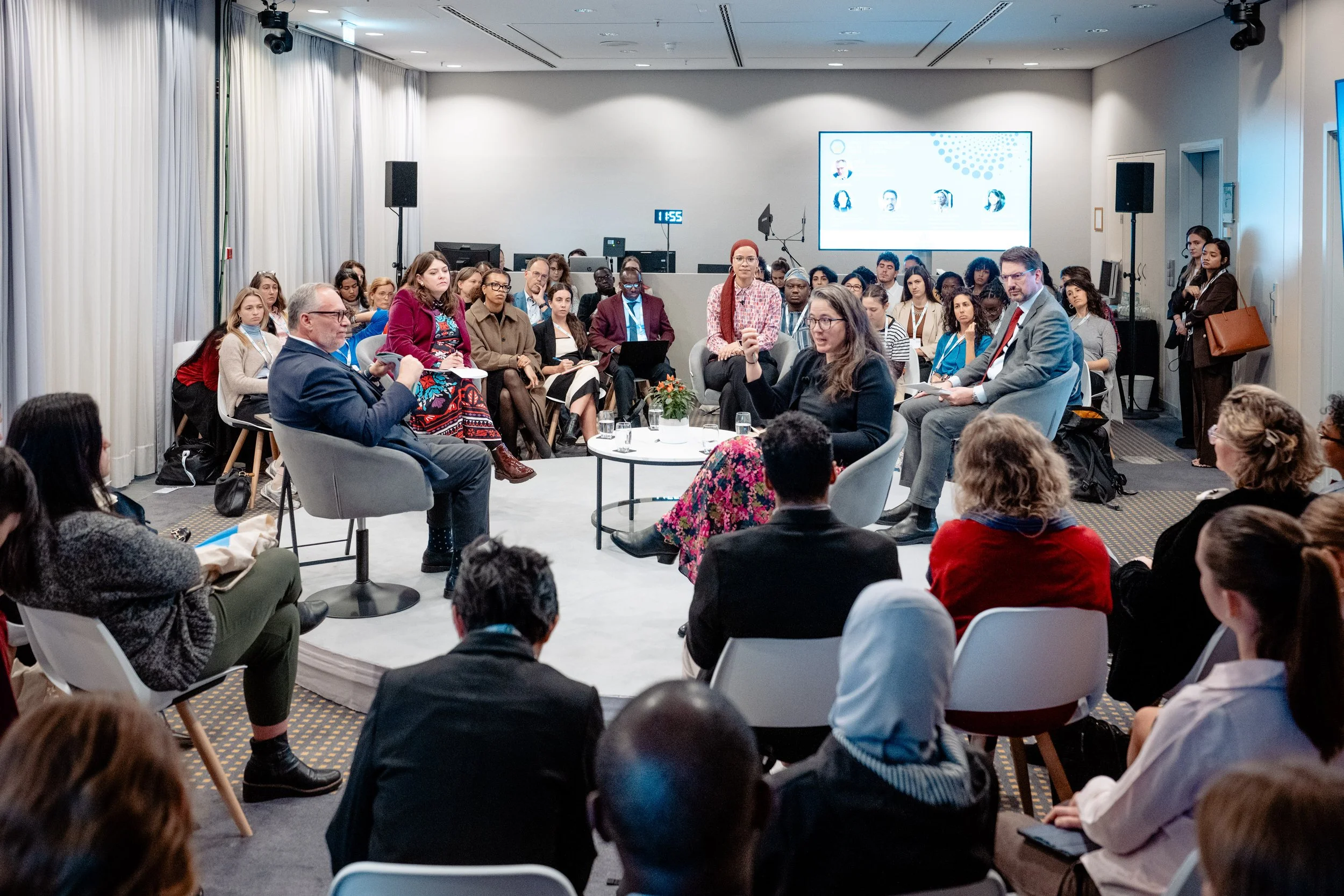
At the World Health Summit in Berlin, MYCP's Gender Thematic Focal Point, Roberta Bojang, joined a panel to bring those voices into the room. The question on the table: from the perspective of migrant and displaced young people, what should health systems prioritise for women, children and youth, and how can young people shape the policies and services meant for them?
Our answer was simple. We need to stop asking whether services technically exist, and start asking whether young people can actually access, understand, trust and use them. MYCP put forward three priorities.
Priority One: Ensure safe access to healthcare, regardless of migration status
For many young migrants, the biggest barrier to a doctor is not distance. It is fear.
Young people without documents, or who fear detention or deportation, delay care, avoid it, or never reach it at all. This hits hardest when they need sexual and reproductive healthcare, mental health support, or treatment after violence. Those are exactly the moments when waiting does the most harm.
MYCP called for:
Universal health coverage that includes undocumented and irregular migrants in practice, not only in policy language.
Real firewalls between healthcare and immigration enforcement, so seeing a doctor never exposes someone to immigration consequences.
Simpler registration, and clear communication about which documents are and are not required.
Priority Two: Make healthcare responsive to gender, age and lived experience
Migrant young women and girls face barriers that stack on top of each other: legal status, language, stigma, cost, and pressure around sexuality and gender roles. The result can be unintended pregnancies, untreated infections, inadequate care in pregnancy and childbirth, and survivors of violence who never get help.
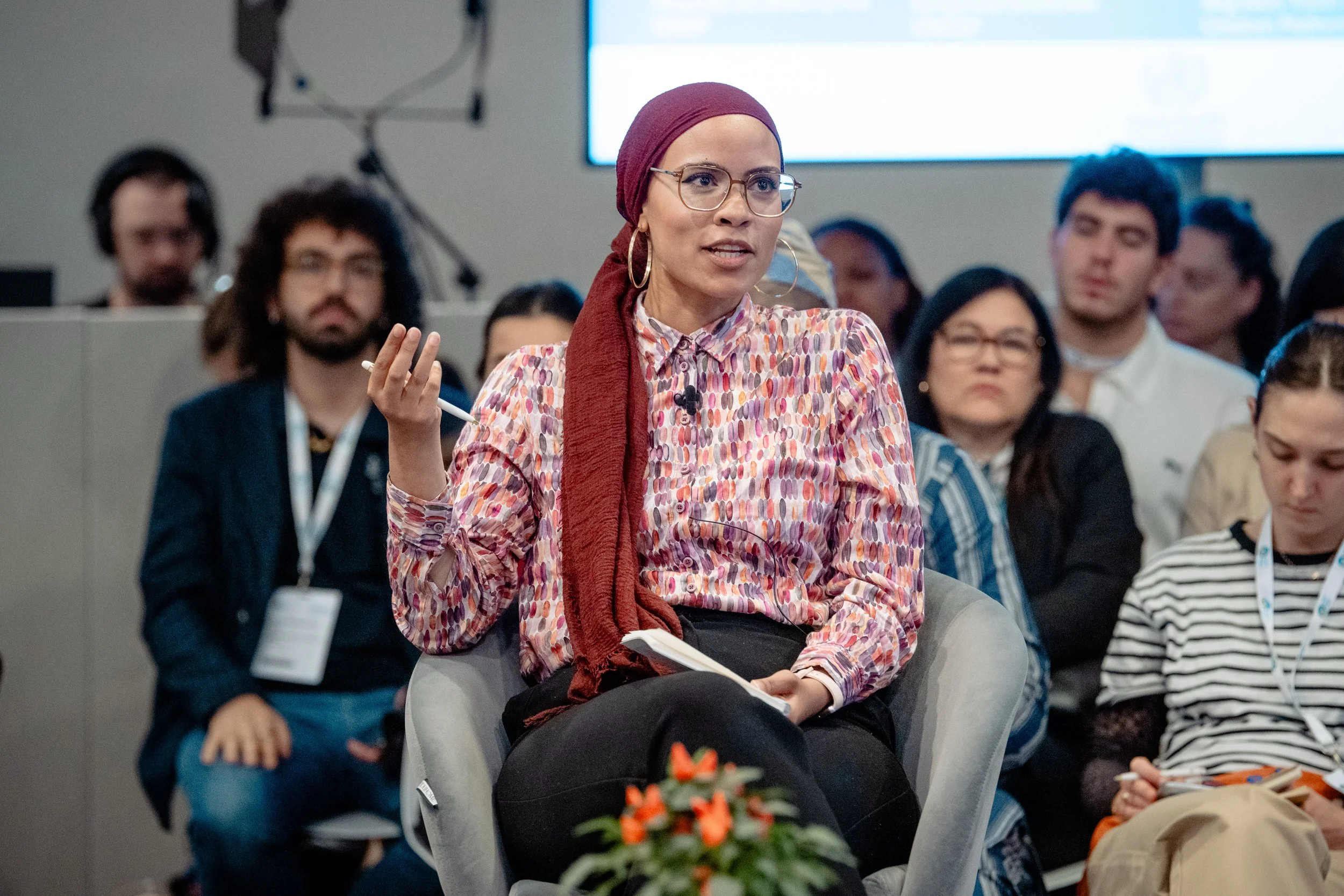
During migration and transit, the risk of sexual exploitation and gender-based violence rises. Health systems need to be ready for what follows, without retraumatising survivors or adding new obstacles.
MYCP's recommendations:
Treat sexual and reproductive health and rights as essential. Guarantee confidential, age-appropriate access to contraception, STI testing and treatment, pregnancy care, and support after sexual violence.
Make care survivor-centred and trauma-informed. Train health workers to recognise reproductive coercion and other forms of gender-based violence, and connect survivors to specialised services.
Speak young people's languages. Offer multilingual information and interpretation, plain language and visual formats, and clear explanations of confidentiality.
Change the system, not the young person. Train professionals in non-judgmental, culturally responsive care, and support trained peer educators who can guide young people to reliable information and referrals.
Priority Three: Meaningful participation must go beyond consultation
Migrant young people should not only be research subjects or service users. They should be partners in designing, delivering and evaluating the services meant for them.
Asking for feedback is not enough if young people have no influence over what happens next. MYCP's own youth-partnered research, Between Borders and Silence, is built on that principle.
A clear example comes from Belgium. KU Leuven's "Barriers and Bridges" study worked with unaccompanied Afghan refugee minors in reception centres, asking them to think aloud while they navigated online mental health resources. The need to reach young people was already recognised. Yet the pages failed them: long blocks of text, unfamiliar terms, no clear next step to get help. Only young testers could show where the bridge was broken.
For participation to be real, MYCP called for:
Shared decision-making across the full cycle: identifying needs, setting priorities, designing, implementing and evaluating.
Proper resourcing: pay young people for their time and expertise, and cover transport, childcare, interpretation, internet access and accessibility support.
Safeguarding: participation that is voluntary, safe and appropriate to each young person's age and circumstances.
Closing the feedback loop: report back on which recommendations were adopted, which were not, and why, in accessible languages and formats.
What comes next
Health systems that work for young migrants are not a favour. They are what universal coverage was supposed to mean from the start.
The question is no longer whether young people are invited to speak about health. It is whether what they say changes how care is designed, delivered and measured.
Are you working on migrant or youth health? Join our network and help make sure the next policy is built with young people, not just for them.